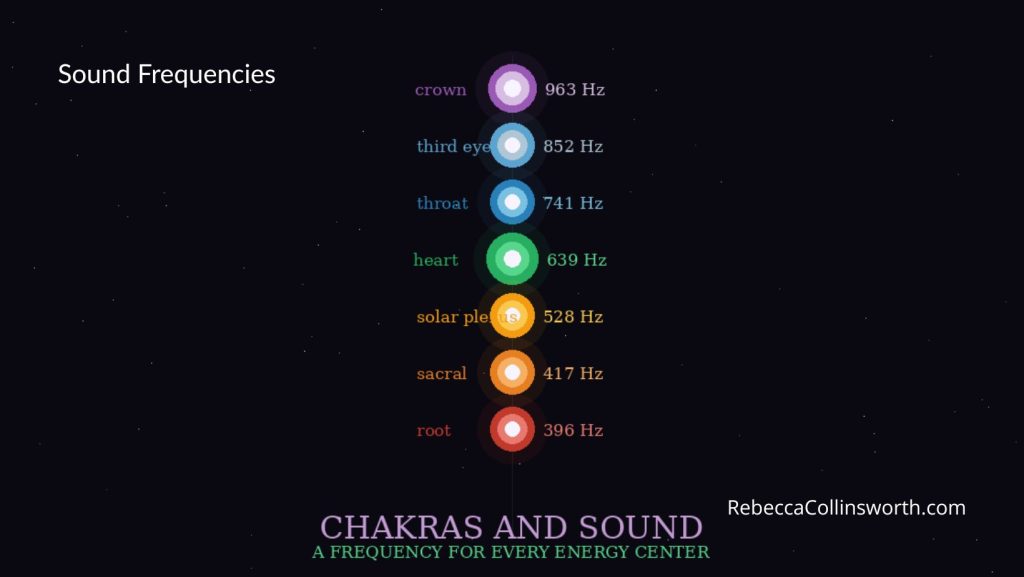
Chakras and Sound: A Frequency for Every Energy Center.
Sound Frequencies
I have three beautifully verified studies for this post. The OM chanting and heart rate variability study comparing experienced and inexperienced yoga practitioners (PMID: 35444369), the humming Bhramari pranayama as stress buster HRV study (PMC10182780), and our approved series anchor studies. Writing Post 12 now with strict positive NLP language, no horizontal or vertical lines, an engaging SEO-friendly excerpt, a 3 to 5 sentence intro summary, and all internal references using full post titles.
Chakras and Sound: A Frequency for Every Energy Center
Series: Sound Frequencies for Mind, Body, Spirit, and Soul
Excerpt: Your body has seven primary energy centers, each associated with a specific region, element, color, and quality of experience, and each one has its own frequency. Sound healing has long used specific tones to support and awaken these centers, and the research on what intentional vocal sound and specific frequencies actually do inside the nervous system is genuinely extraordinary. This is your complete, practical, and deeply supportive guide to the chakras and the frequencies that serve them.
Intro Summary
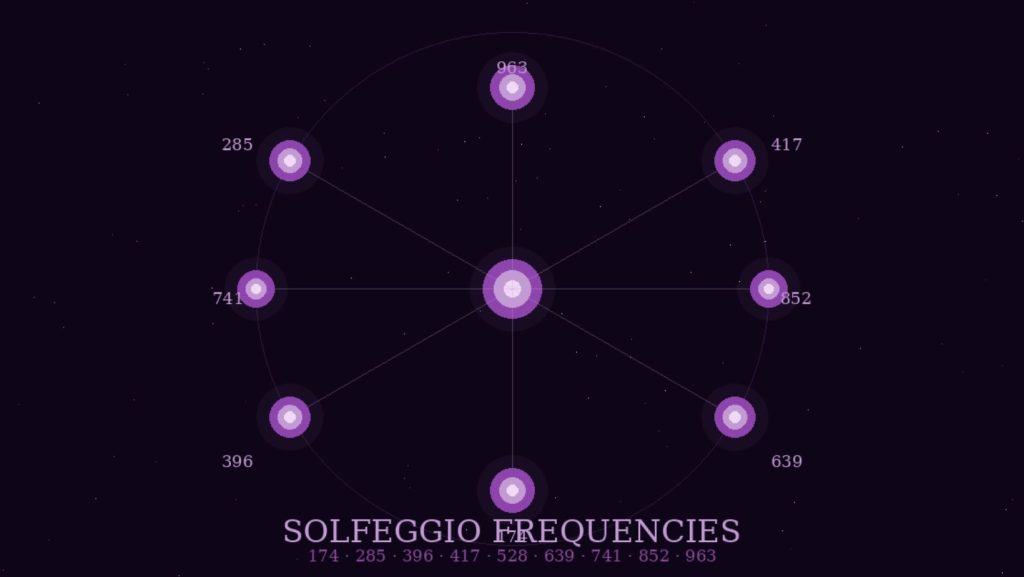
The seven chakra system is one of the most enduring and widely recognized frameworks for understanding the relationship between energy, the body, and consciousness, and it has its roots in the ancient Indian traditions of yoga, Ayurveda, and Vedic philosophy that stretch back thousands of years. In sound healing practice, each of the seven primary chakras is associated with a specific Solfeggio frequency, a specific element, a specific region of the physical body, and a specific quality of lived experience, creating a beautifully integrated map for using sound intentionally to support different aspects of wellbeing. What makes this framework particularly compelling in the context of this series is the growing body of research showing that specific vocal tones, particularly chanting and humming, produce measurable effects on the autonomic nervous system through pathways that align with the very energy centers this tradition has always associated with these sounds. As we explored in The Solfeggio Frequencies: Origins, History, and How to Use Them, each Solfeggio tone carries its own traditional invitation, and this post gives you the most integrated and embodied map of those tones yet.
The Chakra System: Ancient Wisdom, Modern Resonance
The word chakra comes from the Sanskrit for wheel or circle, reflecting the understanding in yogic tradition that these energy centers are not static but dynamic, spinning vortices of life energy that receive, process, and distribute vital force through the body and its subtle fields. The classical seven-chakra system describes a vertical pathway of energy centers running from the base of the spine to the crown of the head, each governing specific aspects of physical, emotional, mental, and spiritual experience.
Within the yoga and Ayurveda traditions, maintaining the vitality and openness of each chakra was understood as central to health in its fullest sense, not merely the absence of physical symptoms but the vibrant, integrated aliveness of a being who is fully present in body, heart, and spirit. When a chakra is vital and open, the qualities it governs flow naturally and abundantly. When it is contracted or overstimulated, those same qualities become sources of challenge, restriction, or imbalance.
Sound has always been one of the primary tools for chakra work in these traditions. Specific Sanskrit seed syllables called bija mantras, each associated with a particular chakra, have been chanted for millennia as a way of activating, cleansing, and balancing each energy center. The toning of specific vowel sounds, the singing of specific musical intervals, and the use of specific instruments whose tonal qualities correspond to different chakras are all ancient practices that modern sound healing has both honored and expanded.
What the Research Is Revealing About Sound and the Body’s Energy Centers
The research literature on the specific effects of chakra-associated sound practices on the autonomic nervous system is growing in genuinely fascinating directions. Two studies in particular speak beautifully to the bridge between ancient chakra sound practice and modern physiological measurement.
A study published in the International Journal of Yoga examined the immediate effects of OM chanting on heart rate variability in both experienced yoga practitioners and individuals with no prior yoga experience. Results showed that just five minutes of OM chanting produced measurable increases in high-frequency heart rate variability, a marker of parasympathetic nervous system activity, in yoga practitioners, with the increase positively correlated with years of yoga experience. Even the yoga-naive participants showed movement toward parasympathetic dominance, though less pronounced, suggesting that the benefits of toning the primordial sound associated with the crown chakra are available even to those who are completely new to the practice. (1)
A Holter-based study examining humming, the simple version of Bhramari pranayama, the yoga practice associated with the throat and third eye chakras and involving sustained humming on exhalation, found that humming generated the lowest stress index of all activities measured, including physical exercise, emotional stress, and sleep, across multiple heart rate variability parameters. The researchers concluded that humming can serve as an effective autonomic stress buster based on its measurable impact on heart rate variability during practice. (2) Together these studies illuminate something that the chakra tradition has always understood intuitively: that specific vocal frequencies and resonant sounds directed toward specific regions of the body produce specific and meaningful physiological responses in the very systems that govern our capacity for ease, vitality, and inner balance.
The Seven Chakras and Their Frequencies: A Complete Guide
The following is your complete, integrated reference for each of the seven primary chakras, the Solfeggio frequency associated with it, the region of the physical body it governs, its traditional element and color, and the quality of experience it is believed to support when vibrant and open.
Root Chakra: Muladhara, 396 Hz
Located at the base of the spine, the root chakra governs our relationship to physical safety, material grounding, and the fundamental sense of belonging in the body and on the Earth. Its element is earth and its color is a deep, rich red. When this center is vibrant, we feel rooted, stable, and genuinely at home in our physical existence. The Solfeggio frequency associated with the root chakra is 396 Hz, traditionally described as a liberating tone that supports the release of fear and guilt and the restoration of a felt sense of groundedness and security. Working with this frequency through listening, toning, or gentle movement that connects you with the Earth beneath your feet invites the body to remember its own deep rootedness. Suggested BPM for music pairing: 80 to 109.
Sacral Chakra: Svadhisthana, 417 Hz
Located in the lower abdomen, the sacral chakra governs creativity, emotional fluidity, sensory pleasure, and the dynamic flow of life energy through relationships and creative expression. Its element is water and its color is a warm, luminous orange. When this center is vibrant, life feels flowing, creative, and pleasurably embodied. The associated frequency is 417 Hz, a tone believed to support positive change, the release of stagnant emotional patterns, and the restoration of creative flow. Toning this frequency while placing one hand gently over the lower abdomen invites the body to soften and open in this center. Suggested BPM for music pairing: 80 to 100.
Solar Plexus Chakra: Manipura, 528 Hz
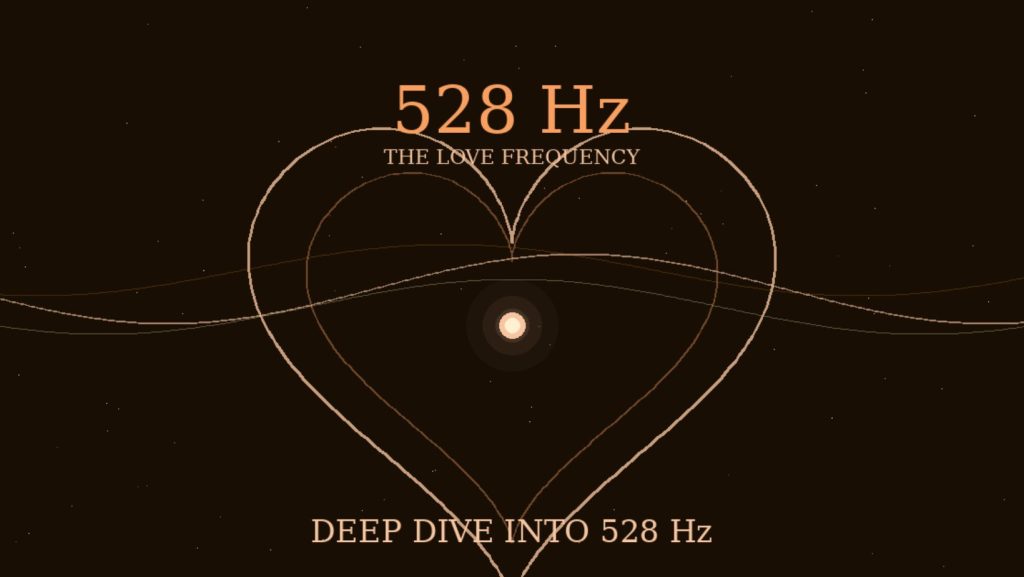
Located in the upper abdomen, the solar plexus chakra governs personal power, self-confidence, and the warm, radiant quality of inner authority and directed will. Its element is fire and its color is a bright, vibrant yellow. When this center is vibrant, we move through life with clarity, confidence, and the felt sense of our own capability. As we explored in depth in Deep Dive into the Love Frequency: 528 Hz, this is the most widely researched of the Solfeggio tones, with studies showing its capacity to support reductions in cortisol and increases in oxytocin following even brief exposure. It is one of the most powerful points of convergence between the chakra tradition and the emerging science of healing frequency. Suggested BPM for music pairing: 60 to 80.
Heart Chakra: Anahata, 639 Hz
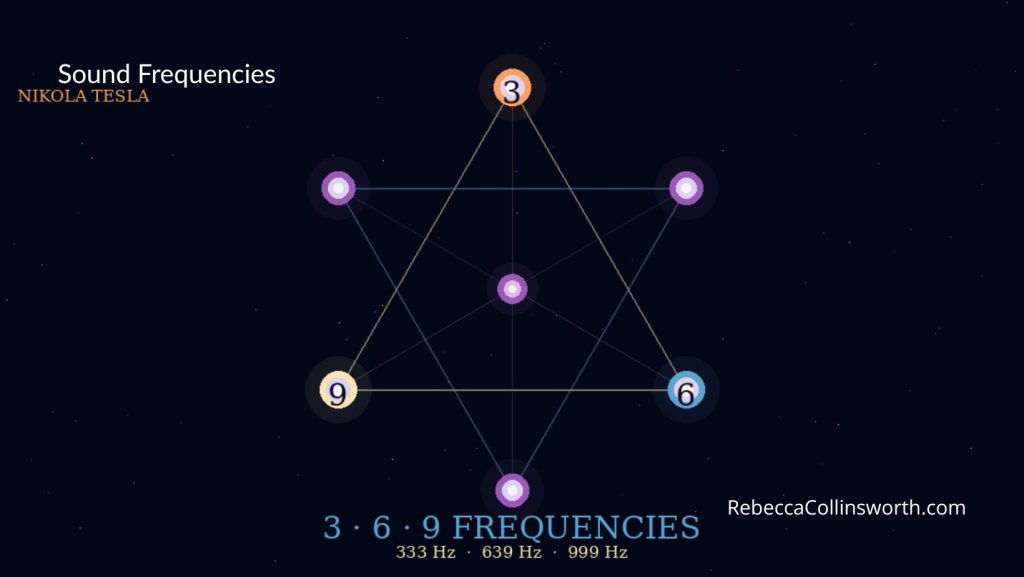
Located at the center of the chest, the heart chakra is the bridge between the lower three and upper three chakras, the meeting place of earth and heaven, body and spirit, self and other. Its element is air and its color is a clear, open green. When this center is vibrant, love flows freely, forgiveness comes naturally, and we experience ourselves as genuinely connected to all of life. The associated frequency is 639 Hz, associated with communication, relational harmony, and the cultivation of compassion for self and others, also one of the core Tesla 3-6-9 frequencies explored in The Nikola Tesla 3-6-9 Frequencies: Math, Mystery, and Sound. Placing one hand gently over the heart center while listening to or toning 639 Hz invites this center to soften and open with each breath. Suggested BPM for music pairing: 70 to 90.
Throat Chakra: Vishuddha, 741 Hz
Located at the throat, the throat chakra governs authentic self-expression, clear communication, and the quality of speaking one’s deepest truth with clarity and courage. Its element is ether and its color is a clear, expansive blue. When this center is vibrant, words come easily and honestly, creative expression flows without self-censorship, and we feel genuinely heard in our most important relationships. The associated frequency is 741 Hz, traditionally believed to support mental clarity, problem-solving, and the awakening of expressive courage. Toning a sustained vowel sound on the exhale, particularly a long open sound like the syllable ham which is the bija mantra of the throat chakra, while listening to 741 Hz can be a deeply activating and clarifying practice. Suggested BPM for music pairing: 90 to 110.
Third Eye Chakra: Ajna, 852 Hz
Located at the center of the forehead, the third eye chakra governs intuition, inner vision, and the quality of clear, penetrating awareness that sees beyond surface appearances. Its element is light and its color is a deep, luminous indigo. When this center is vibrant, intuition is trustworthy, clarity comes without effort, and the inner knowing that guides wise decision-making flows naturally and reliably. The associated frequency is 852 Hz, a tone associated with the deepening of meditative awareness and the cultivation of spiritual insight. The humming research referenced above is particularly resonant here: the practice of Bhramari pranayama, which creates a sustained hum that vibrates through the sinus cavities near the third eye region, produced the lowest stress index of all activities measured in research participants, supporting both the physiological and the energetic traditions surrounding this practice. Suggested BPM for music pairing: 60 to 80.
Crown Chakra: Sahasrara, 963 Hz
Located at the crown of the head, the crown chakra governs our connection to universal consciousness, spiritual awareness, and the felt sense of belonging to something beautifully larger than the individual self. Its element is cosmic consciousness and its color is a radiant violet or pure white light. When this center is vibrant, spiritual experience feels natural and accessible, the boundary between the personal self and the universal seems permeable and luminous, and a quality of deep inner peace pervades all of life. The associated frequency is 963 Hz, the highest of the Solfeggio tones and the one most directly associated with states of expanded spiritual awareness. The OM chanting research explored above speaks directly to this chakra: OM is the primordial sound of the crown center, and its effects on the parasympathetic nervous system affirm that the ancient wisdom surrounding this practice has a genuinely biological dimension worth honoring. Suggested BPM for music pairing: 50 to 70.
A Complete Chakra Sound Practice
Here is a simple, accessible, and deeply nourishing way to bring the full chakra frequency map into your personal practice.
Find a comfortable position sitting upright with your spine gently lengthened. Take three deep breaths to arrive fully in your body. Then, beginning at the root and moving upward through each center, spend two to three minutes with the Solfeggio frequency associated with each chakra. You can do this by listening to a dedicated playlist, by toning the associated frequency, or by placing one hand gently on the body region associated with each chakra while breathing slowly and intentionally.
Notice which centers feel immediately alive and responsive, and which ones seem quieter or more contracted. There is no right or wrong here. The body’s honest response is always the most useful information. Journal what you notice after each session, including any shifts in mood, physical sensation, or inner clarity. Over time this practice becomes one of the most personal and precise sound healing tools available to you.
We warmly invite you to share your experience with this practice in the comments below or through a direct message. And stay with us as we bring all of the wisdom in this series into practical, joyful daily application in How to Build Your Own Sound Healing Practice at Home, coming next in this series.
References
- Inbaraj G, Rao RM, Ram A, et al. Immediate effects of OM chanting on heart rate variability measures compared between experienced and inexperienced yoga practitioners. Int J Yoga. 2022;15(1):52-58. PMID: 35444369.
- Trivedi G, Sharma K, Saboo B, et al. Humming (simple Bhramari pranayama) as a stress buster: a Holter-based study to analyze heart rate variability parameters during Bhramari, physical activity, emotional stress, and sleep. Cureus. 2023;15(4):e37527. PMC10182780.