Deep Dive into the Love Frequency: 528 Hz
Sound Frequencies

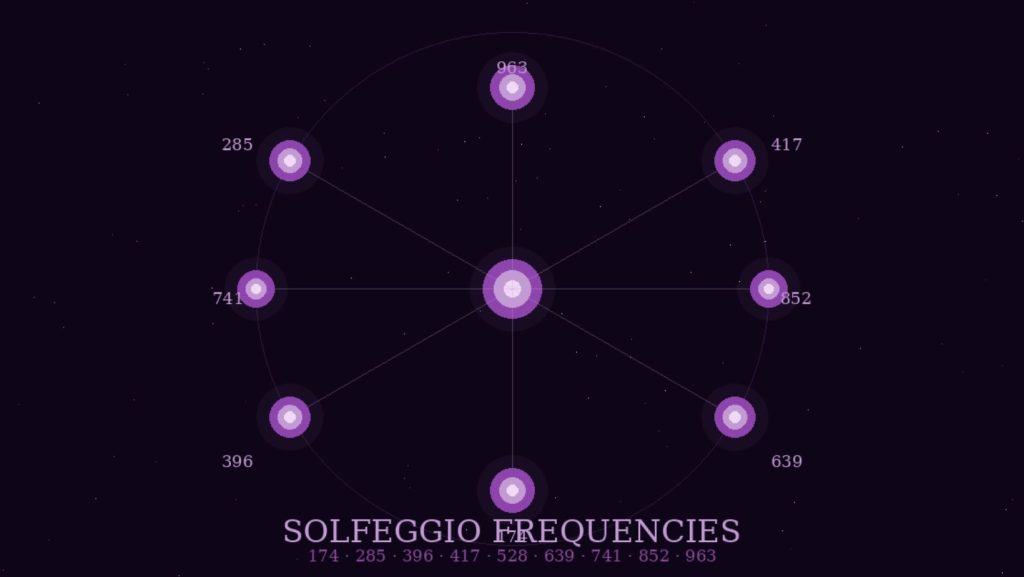
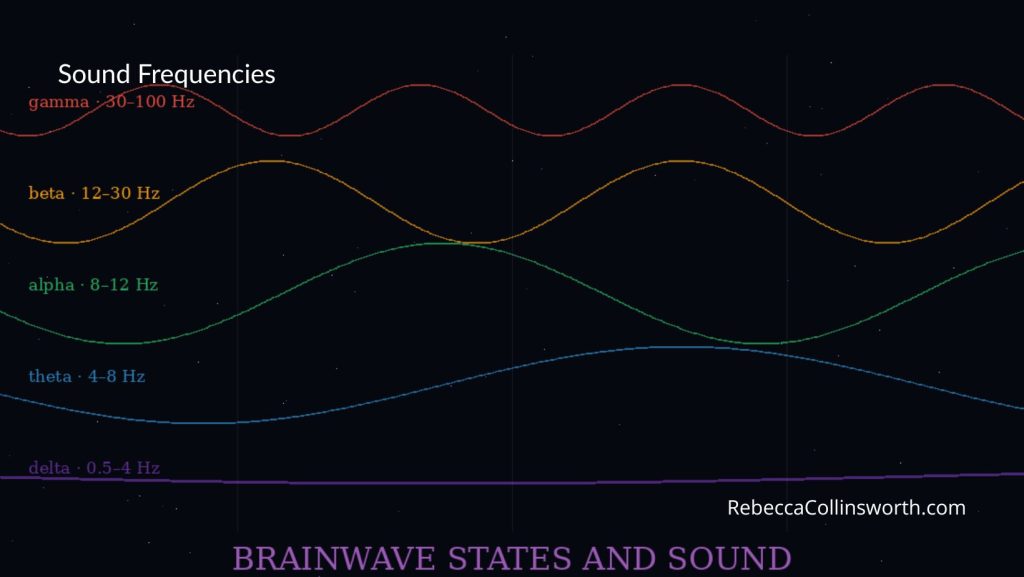
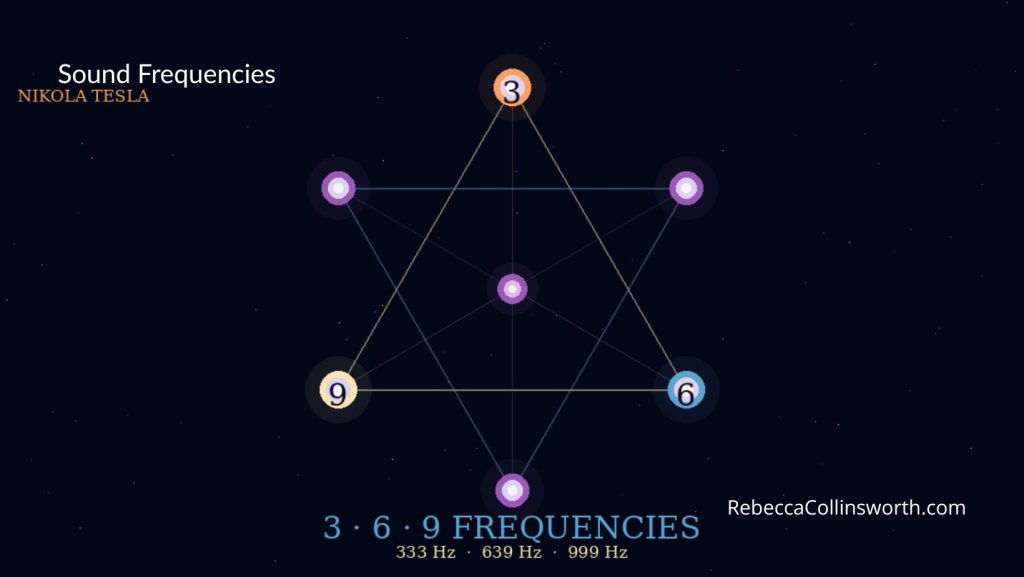
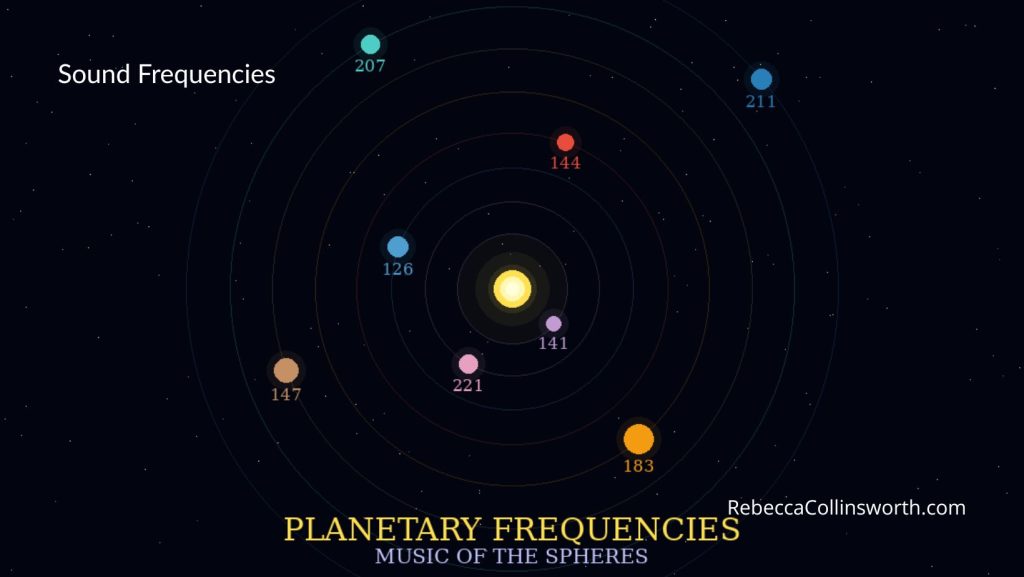
There is a frequency that has been called the most healing tone in the universe, and while that claim invites us to hold it with both wonder and discernment, the science that is gathering around it is genuinely worth knowing. 528 Hz sits at the third position in the Solfeggio scale, associated in healing traditions with transformation, compassion, and the solar plexus, and it has become one of the most actively researched specific frequencies in the sound healing field. Studies have explored its effects on human stress hormones, cellular health, brainwave activity, and endocrine responses, and the findings are quietly extraordinary. As we explored the full Solfeggio family in The Solfeggio Frequencies: Origins, History, and How to Use Them, 528 Hz earned its own dedicated space in this series because the depth of its story, scientifically, spiritually, and experientially, deserves nothing less.
A Frequency With a Story
Every frequency in the Solfeggio scale carries its own character, but 528 Hz has always attracted a particular quality of attention. It sits precisely at the third tone of the original six, associated in solfege tradition with the syllable Mi, from the Latin Mira gestorum, meaning miracle of your creations. Whether or not that etymological thread holds historical weight, the name has resonated with practitioners, researchers, and sound healing enthusiasts around the world who have experienced this tone as carrying something genuinely distinctive.
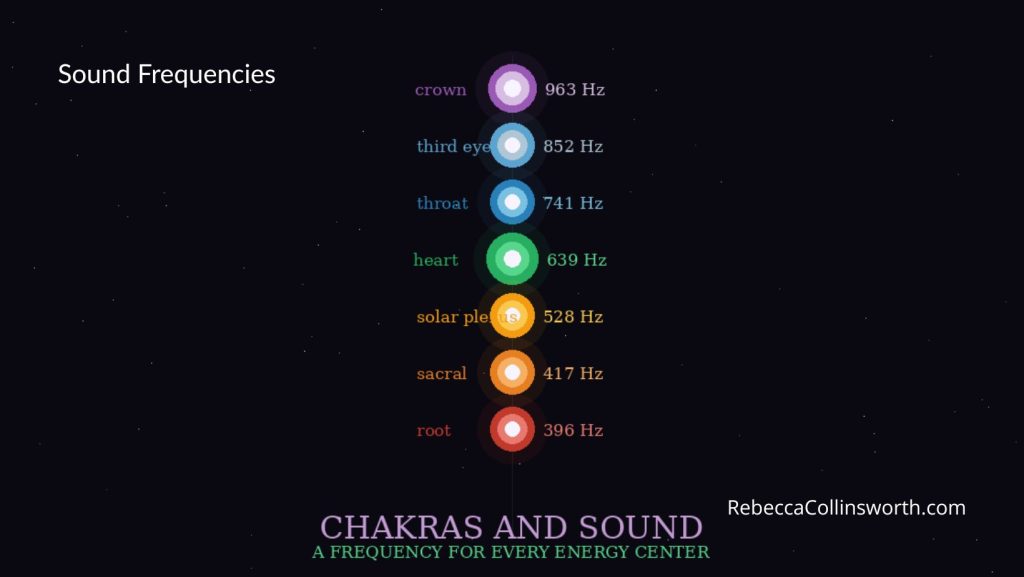
In the language of chakra-based sound healing, 528 Hz is associated with the solar plexus chakra, the energetic center believed to govern personal power, confidence, and the warm, radiating quality of self-trust. Many practitioners describe working with this frequency as a felt sense of coming back to the warmth of your own center, a tonal reminder of who you are beneath the noise of daily life.
The nickname the love frequency arose in part from the research community and in part from the experiential reports of practitioners who noticed that this tone seemed to cultivate states of warmth, openness, and heart-centered presence in a way that felt qualitatively different from other frequencies. It is a beautiful name for a beautiful tone, and the emerging science gives us reason to sit with it with genuine curiosity rather than skepticism.
What the Research Is Beginning to Reveal
The scientific exploration of 528 Hz is young, honest, and genuinely exciting. It does not yet offer us sweeping certainties, and that is actually a gift, because what it does offer us is a growing collection of specific, measurable findings that invite continued exploration with open eyes and open hearts.
A study published in the journal Health examined the effects of music tuned to 528 Hz on the endocrine system and autonomic nervous system of healthy participants. Comparing 528 Hz music with standard 440 Hz music in a crossover design, researchers found that in the 528 Hz condition, salivary cortisol levels meaningfully decreased and oxytocin levels significantly increased following music exposure. No significant changes were observed in any salivary biomarkers in the 440 Hz condition. The researchers concluded that the influence of music on the autonomic nervous system and endocrine system varies depending on the frequency of the music, and that 528 Hz music demonstrated an especially notable stress-supportive effect following only five minutes of exposure. (1) Oxytocin, often called the bonding hormone or the trust hormone, plays a central role in emotional connection, social warmth, and the parasympathetic state that allows the body to rest, restore, and feel genuinely safe. The idea that a specific musical frequency might support oxytocin release while also supporting cortisol balance is one of the most compelling findings in the entire sound healing research landscape.
A separate study from the University of Tehran examined the effects of 528 Hz sound waves on human brain cell cultures exposed to a toxic stressor. Researchers found that exposure to 528 Hz sound waves supported cell viability and meaningfully supported the cells capacity to manage oxidative stress, with cell survival increasing by approximately twenty percent compared to untreated cultures. (2) This was a laboratory study, and we hold its findings as a fascinating piece of an emerging picture rather than a clinical conclusion. And yet it is a piece worth holding, because it tells us that even at the cellular level, 528 Hz is doing something measurable and something that appears oriented toward vitality.
The solfeggio frequency research first explored in our series anchor post A Comprehensive Guide to Sound Frequencies for Mind, Body, Spirit, and Soul found that solfeggio-frequency music reversed both cognitive deficits and elevated cortisol levels in subjects experiencing circadian disruption, further supporting the idea that this frequency family carries a meaningful relationship with the body’s hormonal and cognitive landscapes. (3)
The Mythology, the Claims, and the Invitation to Discernment
Because 528 Hz occupies such a beloved place in the sound healing world, it has also become the subject of some very large claims. You may have encountered language suggesting that 528 Hz repairs DNA, that it is the frequency of love itself encoded in the mathematics of the universe, or that it can heal nearly any condition when applied with sufficient intention. These claims deserve neither wholesale acceptance nor wholesale dismissal. They deserve exactly what good science and good spiritual practice both cultivate: curiosity, openness, and the patience to let evidence accumulate before drawing conclusions.
What we can say with confidence is that 528 Hz has been shown in peer-reviewed research to measurably influence stress hormones, oxytocin levels, and cellular responses in specific experimental contexts. What the full implications of those findings might be across a lifetime of intentional listening, in combination with other wellness practices and within the rich complexity of a living human body, is a question that the science has only just begun to explore.
This is not a limitation. It is an invitation. You are not waiting for permission from a research journal to explore what this frequency feels like in your own body and your own life. Your direct experience, approached with awareness and recorded with curiosity, is its own form of meaningful data.
528 Hz and the Solar Plexus: An Energetic Perspective
Within the chakra-based framework that many sound healing practitioners work with, the solar plexus is the energetic center of personal power, radiant confidence, and the warm inner fire that animates creative action in the world. When this center is vibrant and open, we move through life with a felt sense of capability, clarity, and ease. When it is contracted or overworked, we may notice patterns of second-guessing, fatigue, or a sense of disconnection from our own inner knowing.
Working with 528 Hz in the context of solar plexus support is an invitation to return to that inner warmth. Many practitioners suggest placing one hand over the solar plexus area, the space between the navel and the breastbone, while listening to 528 Hz music, allowing the tone to settle into that center and breathing with it gently. This is not a clinical protocol. It is a practice of attentive self-relationship, a way of using sound as a doorway into greater intimacy with your own interior landscape.
How to Invite 528 Hz Into Your Daily Life
The most beautiful thing about working with 528 Hz is how accessible it is. Here are several gentle and meaningful ways to begin or deepen your practice with this frequency.
Begin with a dedicated listening session. Search 528 Hz music, meditation, or frequency on any streaming platform and you will find an abundance of options, from pure sine wave tones to lush ambient compositions to guided meditations layered with this frequency. Set aside twenty to thirty minutes, find a comfortable position, and listen with your full attention. Notice where the sound lands in your body. Notice what shifts as the minutes pass.
Combine 528 Hz with your morning routine. Many people find that beginning the day with even ten minutes of 528 Hz music, while drinking tea, journaling, stretching, or simply sitting quietly, creates a quality of inner warmth and ease that carries forward through the hours that follow. Think of it as a tonal intention for the day ahead.
Use it during bodywork or self-massage. Sound and touch are natural companions, as we explore more fully in Sound Healing and Bodywork: Where Massage Therapy Meets Frequency, coming later in this series. Playing 528 Hz music during a self-massage session, or asking your massage therapist to incorporate frequency-based music into your sessions, allows both pathways of therapeutic experience to work together beautifully.
Pair it with breathwork. Slow, intentional breathing while listening to 528 Hz creates a combined input for the autonomic nervous system that many practitioners describe as deeply and quickly settling. Try inhaling for four counts and exhaling for six while the frequency plays, and notice what happens in the quality of your inner experience after just a few minutes.
Journal your experience over time. Keep a simple frequency journal dedicated to your 528 Hz practice. Date each entry, note how you felt before listening, what you noticed during the session, and how you feel in the hours afterward. Over weeks and months this journal becomes a personal map of how this specific frequency moves through you, and that map is genuinely valuable as you deepen your practice.
A Loving Reminder
As a licensed massage therapist and health coach, everything shared in this post is offered with deep care and clear scope. The research on 528 Hz is promising, the tradition behind it is ancient and rich, and the experiential reports from practitioners and enthusiasts around the world are genuinely compelling. And the invitation is always the same: to bring your own awareness, your own body, and your own beautiful curiosity to the exploration, and to let what you discover be your guide.
You do not need to believe anything to begin. You only need to listen.
Come share what you notice in the comments below, or send a message directly. Your experience with 528 Hz, whatever form it takes, is worth celebrating and worth sharing. And stay with us as we explore the fascinating science of your brain’s own rhythms in Brainwave States and Sound: Your Guide to Delta, Theta, Alpha, Beta, and Gamma, coming next in this series.
References
- Akimoto K, Hu A, Yamaguchi T, et al. Effect of 528 Hz music on the endocrine system and autonomic nervous system. Health. 2018;10:1159-1170. DOI: 10.4236/health.2018.109089.
- Babayi T, Riazi GH. The effects of 528 Hz sound wave to reduce cell death in human astrocyte primary cell culture treated with ethanol. J Addict Res Ther. 2017;8:335. DOI: 10.4172/2155-6105.1000335.
- Dos Santos AC, de Abreu MS, de Mello GP, et al. Solfeggio-frequency music exposure reverses cognitive and endocrine deficits evoked by a 24-h light exposure in adult zebrafish. Behav Brain Res. 2023;450:114461. PMID: 37119977. First referenced in A Comprehensive Guide to Sound Frequencies for Mind, Body, Spirit, and Soul.