How to Build Your Own Sound Healing Practice at Home
Sound Frequencies


You have journeyed through thirteen posts in this series, gathering one of the most comprehensive and beautifully layered understandings of sound healing available anywhere. Now it is time to bring all of that wisdom home, quite literally, into the rhythms of your daily life. A personal sound healing practice does not require a studio, a collection of expensive instruments, or any prior experience with meditation or energy work. It requires only curiosity, a willingness to listen with intention, and the foundational understanding that you have been building throughout this series: that sound is biologically active, that your nervous system responds to it in measurable and meaningful ways, and that the frequencies you choose to surround yourself with are not neutral. They are part of the environment your body lives in, and your body is always beautifully and intelligently responding.
You Already Have Everything You Need
One of the most liberating truths about a home sound healing practice is this: the most powerful instrument available to you is one you were born with. Your own voice carries frequency. Your own hum vibrates through your chest cavity, your sinuses, and your skull. Your own breath, when shaped with intention, becomes a form of sound healing that your nervous system responds to immediately and measurably.
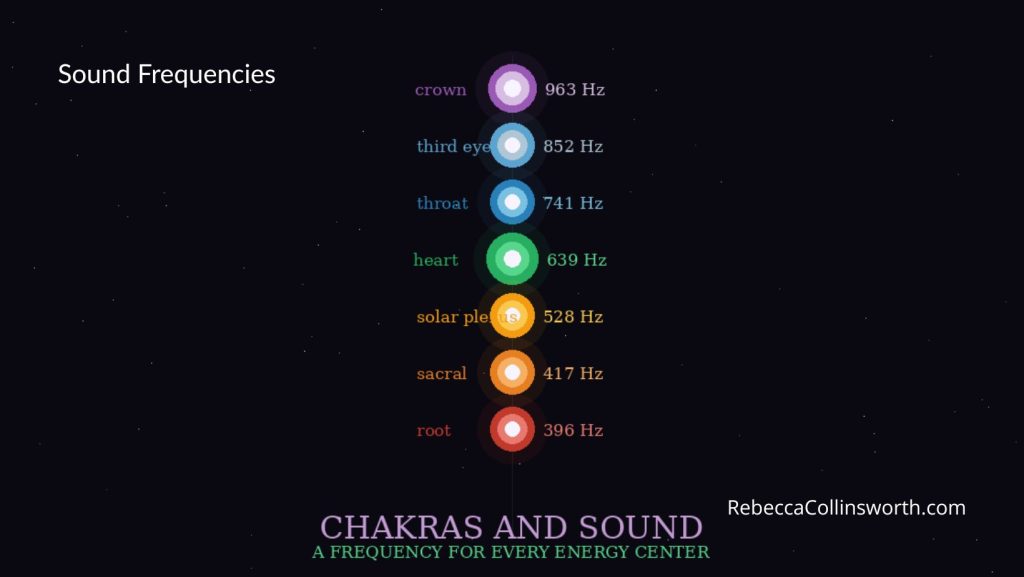
As we explored in Chakras and Sound: A Frequency for Every Energy Center, just five minutes of OM chanting produced measurable increases in parasympathetic nervous system activity in research participants, including those with no prior yoga experience. The humming research we explored in that same post demonstrated that simple Bhramari pranayama, the sustained humming of an exhale, generated the lowest stress index of all activities measured across multiple heart rate variability parameters, including during sleep. Your voice and your breath are already a sound healing practice. Everything else is a beautiful addition to what you already carry.
The Research Case for Daily Practice
Building a home sound healing practice is not simply a pleasant personal ritual. It is an evidence-supported strategy for supporting your nervous system, your mood, and your overall sense of wellbeing over time.
A systematic review and meta-analysis published in Health Psychology Review synthesized the results of forty-seven independent studies examining the effects of music-based interventions on both physiological and psychological stress-related outcomes across healthcare settings. The review found a significant medium-to-strong effect of music-based interventions on stress-related outcomes, with meaningful improvements in both physiological markers including blood pressure, heart rate, and hormone levels, and psychological outcomes including subjective anxiety and tension. The researchers further noted that even a single session of music intervention produced meaningful short-term effects, placing the immediate accessibility of this practice in a genuinely empowering light. (1)
Research published in Frontiers in Psychology examined the effects of repeated music engagement on autonomic tone, the prevailing background balance between sympathetic and parasympathetic nervous system activity. The review found that repeated engagement with recorded music listening in daily sessions of fifteen to thirty minutes over periods of three days to three months was linked to positive shifts toward increased parasympathetic tone, reflected in measurable improvements in resting heart rate variability and reductions in stress hormones. (2) This finding is one of the most practically significant in the entire series: it tells us that the benefits of intentional sound listening are not limited to the moments of the session itself but can accumulate over time into genuine and lasting shifts in nervous system baseline.
This is the invitation of a daily home practice. Not a one-time experience but a conversation with your body that deepens with each session, building over days and weeks into a new and more vibrant relationship with your own inner landscape.
Building Your Practice: The Essential Ingredients
A home sound healing practice that works beautifully and sustainably is built from a small number of core ingredients, each of which you can customize entirely to your own preferences, schedule, and sensory landscape.
Intention is the first ingredient and the most important one. Before each session, take a moment to set a simple, warm intention. Not a demand or a goal to achieve, but a direction to move toward. You might arrive with the intention to support your nervous system after a busy day, or to deepen your meditative practice, or simply to spend twenty minutes being genuinely kind to your own body. Intention shapes the quality of attention you bring to the session, and that quality of attention is what allows the frequencies to do their most meaningful work.
A dedicated space, however small, is the second ingredient. This does not need to be an elaborate or specially furnished room. It can be a particular chair, a spot on your yoga mat, a corner of your bedroom where you keep your headphones and your journal. What matters is that your nervous system begins to associate this space with the particular quality of settled, receptive presence that sound healing invites. Over time that association becomes a resource in itself, a place your whole body knows how to soften into.
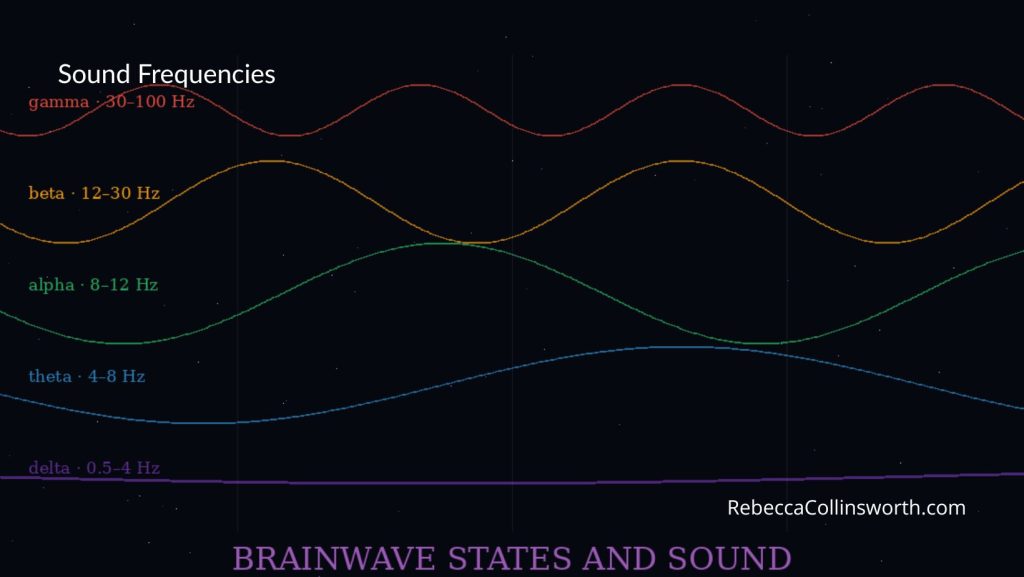
High quality headphones or speakers are genuinely worth investing in for this practice. Binaural beats, as we explored in Brainwave States and Sound: Your Guide to Delta, Theta, Alpha, Beta, and Gamma, require headphones to produce their entrainment effect. Beyond that, the richness and warmth of a high-resolution audio experience makes a meaningful difference in how your nervous system receives and responds to the sound. This does not need to be expensive. Even a mid-range pair of over-ear headphones creates a significantly more immersive experience than phone speakers or earbuds.
A frequency journal is the fourth ingredient and one of the most rewarding over time. Before each session, write a few sentences about how you feel, physically, emotionally, and mentally. After the session, write again. Over weeks and months this journal becomes an extraordinarily rich personal record of how different frequencies affect you specifically, which tones your nervous system leans toward in different seasons and states, what shifts and how quickly, and what the cumulative effect of regular practice feels like from the inside.
Structuring Your Sessions
Here are several practical session formats that work beautifully for different times of day and different intentions. Each can be adapted and evolved as your practice deepens.
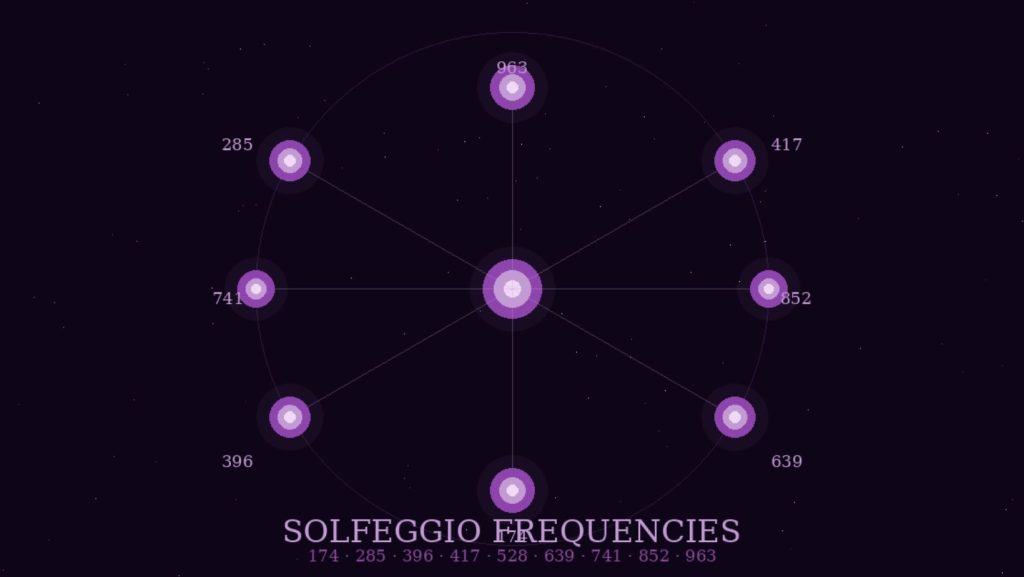
The Morning Arrival Practice, ten to fifteen minutes, is a gentle way to begin each day in relationship with your own body and the frequencies that support your highest functioning. Begin with three slow, intentional breaths. Then select a frequency or playlist aligned with the quality of day you wish to create. For focused, clear-headed presence, an alpha or beta-range frequency playlist or a higher Solfeggio tone like 741 Hz or 852 Hz supports beautiful clarity. For a warm, connected, heart-centered beginning, 528 Hz or 639 Hz invites that quality into the hours ahead. Simply listen, breathe, and allow.
The Midday Reset, five to ten minutes, is one of the most practical and immediately accessible applications of sound healing in daily life. When the day has accumulated its weight and the nervous system is calling for a reset, even five minutes of intentional listening to a theta-range recording, a singing bowl playlist, or a calming frequency can measurably shift your autonomic state. As the research explored in The Science of Sound as Medicine confirms, the body responds to sound quickly, and the nervous system does not need a long session to begin moving in a more settled direction.
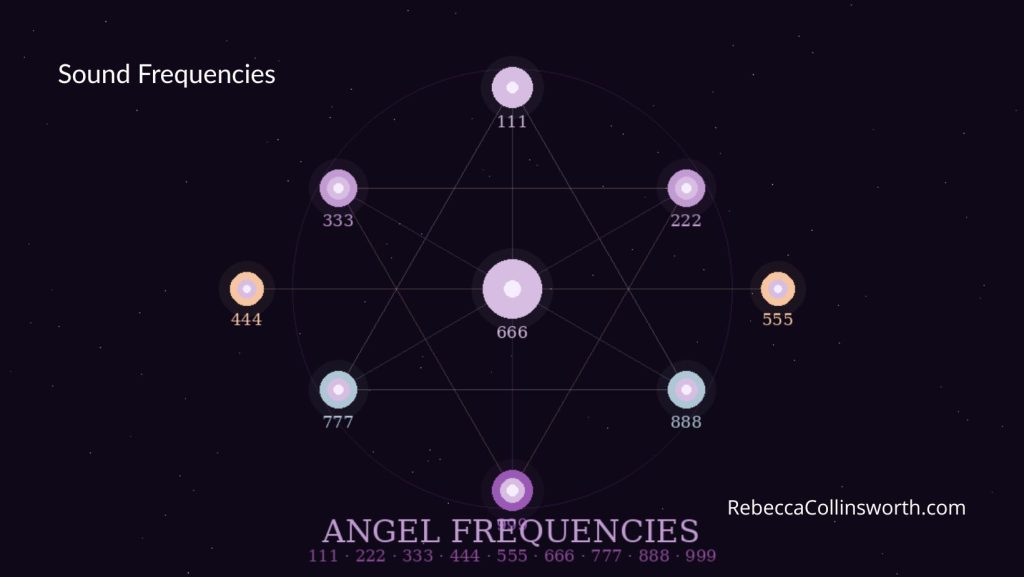
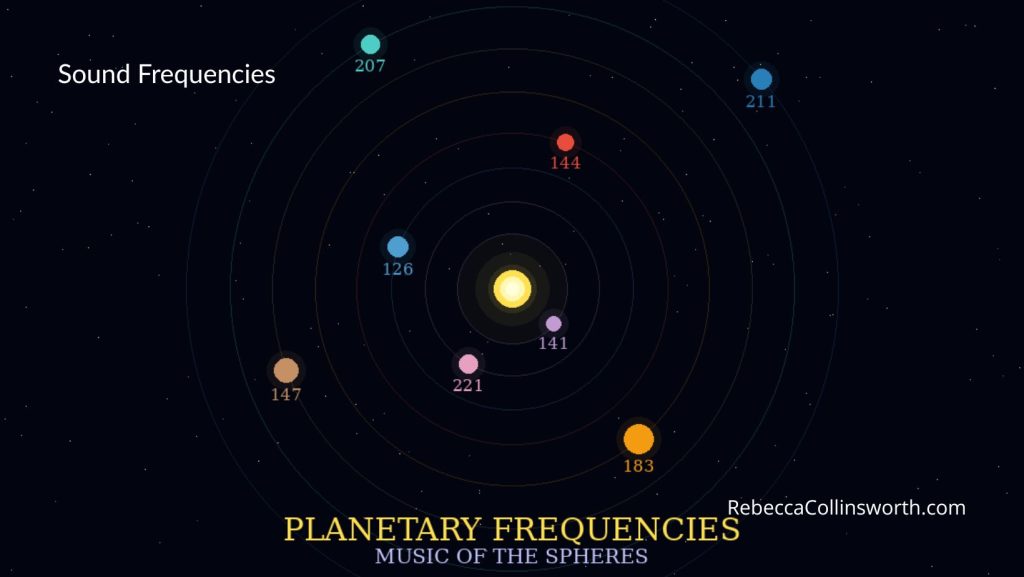
The Evening Integration Practice, twenty to thirty minutes, is the richest and most restorative format for most practitioners. This is the session for deeper listening, for the lower Solfeggio tones, for delta and theta frequencies, for planetary tone meditations, or for the complete chakra frequency journey from 396 Hz through 963 Hz as explored in Chakras and Sound: A Frequency for Every Energy Center. This is the session for lying down, closing your eyes, and letting the day’s experiences settle and integrate as the frequencies create a sonic environment of genuine ease and restoration.
Resources for Your Home Practice
The following are wonderful and freely or affordably accessible resources for building your home sound healing library.
Streaming platforms including Spotify, Apple Music, and YouTube all host extensive libraries of frequency-based music, binaural beat recordings, planetary tone meditations, Solfeggio frequency playlists, singing bowl recordings, and Schumann resonance sessions. Search for any of the specific frequencies or practices explored throughout this series and you will find an abundance of high quality options.
Apps specifically designed for frequency and brainwave support include a growing number of beautifully designed options that allow you to customize your sessions, track your frequency exposure, and access high quality recordings with ease. Explore what resonates with your particular approach and learning style.
Physical instruments including singing bowls, tuning forks, and crystal bowls offer a tactile and vibrational dimension to home practice that listening alone cannot fully replicate. A single well-chosen singing bowl, as explored in Tibetan Singing Bowls: Ancient Tradition Meets Modern Research, is a deeply rewarding addition to a home practice and requires no musical training to use meaningfully.
Your own voice, as always, remains your most accessible and immediately available instrument. Humming, toning, chanting, and slow resonant breathing are all deeply effective and always available to you regardless of what else you have or do not have in your practice space.
A Gentle Note on Consistency
The research on repeated music listening and autonomic tone tells us something important: the cumulative effects of regular practice go beyond the acute benefits of any single session. Your nervous system learns. It develops new relationships with the frequencies you offer it regularly. It begins to shift its baseline in the direction those frequencies invite.
This is not something that requires perfection or rigid scheduling. Even three to four sessions per week, held with genuine presence and intention, creates the kind of consistent engagement that allows the deeper benefits of sound healing to accumulate and become part of how your body knows itself.
Begin wherever you are. One frequency, one session, one quiet morning or settled evening. Let that be enough to begin with, and trust that each time you show up with intention, something in your body is grateful for it.
Stay with us for the final post in this series, where we bring everything full circle in Sound Healing and Bodywork: Where Massage Therapy Meets Frequency, the post that weaves together touch, sound, and the particular wisdom that comes from practicing both with care.
References
- de Witte M, Pinho ADS, Stams GJ, Moonen X, Bos AER, van Hooren S. Music therapy for stress reduction: a systematic review and meta-analysis. Health Psychol Rev. 2022;16(1):134-159. DOI: 10.1080/17437199.2020.1846580. PubMed indexed.
- McCrary JM, Altenmüller E. Mechanisms of music impact: autonomic tone and the physical activity roadmap to advancing understanding and evidence-based policy. Front Psychol. 2021;12:727231. PMC8429896.